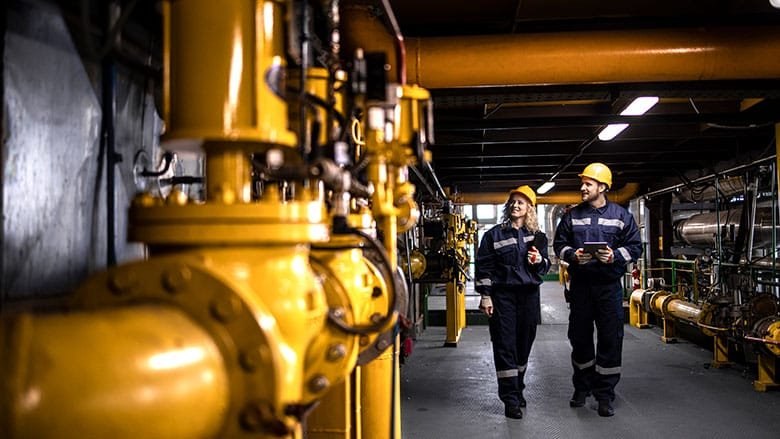

Oil and gas operations inherently involve working with hazardous materials and equipment in potentially volatile environments. Ensuring worker safety is paramount.
Many oil and gas facilities have aging infrastructure that may not be equipped with the latest safety features. Integrating AI systems with existing infrastructure can be challenging.
Oil and gas companies operate across different countries with diverse safety regulations. AI systems need to be adaptable to ensure compliance with local regulations and best practices.
AI can mitigate risks associated with fatigue, distractions, and human error in oil and gas operations. By implementing AI-driven monitoring systems, companies can detect early signs of fatigue or distraction among workers, provide timely interventions, and optimize task allocation to ensure a safer working environment and minimize the likelihood of accidents.
Improved Safety Leveraging AI with Pranzant
Deploy high-definition cameras at strategic locations across the oil and gas facility. Utilize AI-powered video analytics software to analyze video footage in real-time.
Integrate data from various sensors (temperature, pressure, gas detection) with video analytics to create a comprehensive picture of the operational environment.
Train AI models to identify potential safety hazards from video footage, such as unauthorized personnel in restricted areas, unsafe work practices, or equipment malfunctions.
AI proactively identifies and addresses safety hazards, leading to a significant reduction in accidents and injuries in oil and gas operations. By leveraging real-time data analysis and predictive analytics, potential risks are detected early, allowing for timely interventions and preventive measures to enhance workplace safety and protect personnel from harm.
AI offers a broader and more consistent view of the operational environment, overcoming limitations of human vision and attention. By integrating data from various sources and analyzing patterns in real-time, AI enhances situational awareness, enabling proactive decision-making and timely responses to potential risks or disruptions in oil and gas operations.
AI-powered insights inform safety training programs and foster a data-driven safety culture within the organization. By analyzing vast datasets of historical incidents and near-misses, AI identifies patterns and trends, enabling targeted training interventions and proactive safety measures. This data-driven approach enhances hazard awareness, promotes safety-conscious behaviors, and empowers employees to make informed decisions, ultimately improving overall safety performance and reducing workplace incidents.