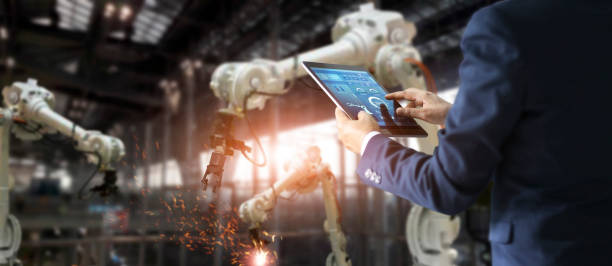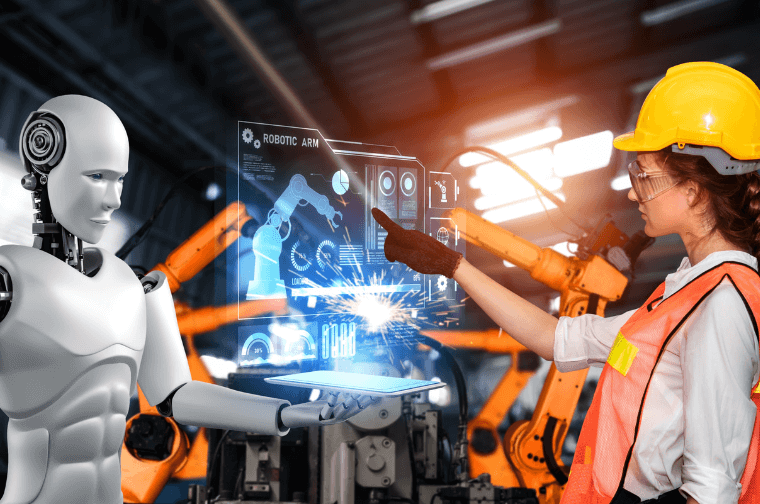

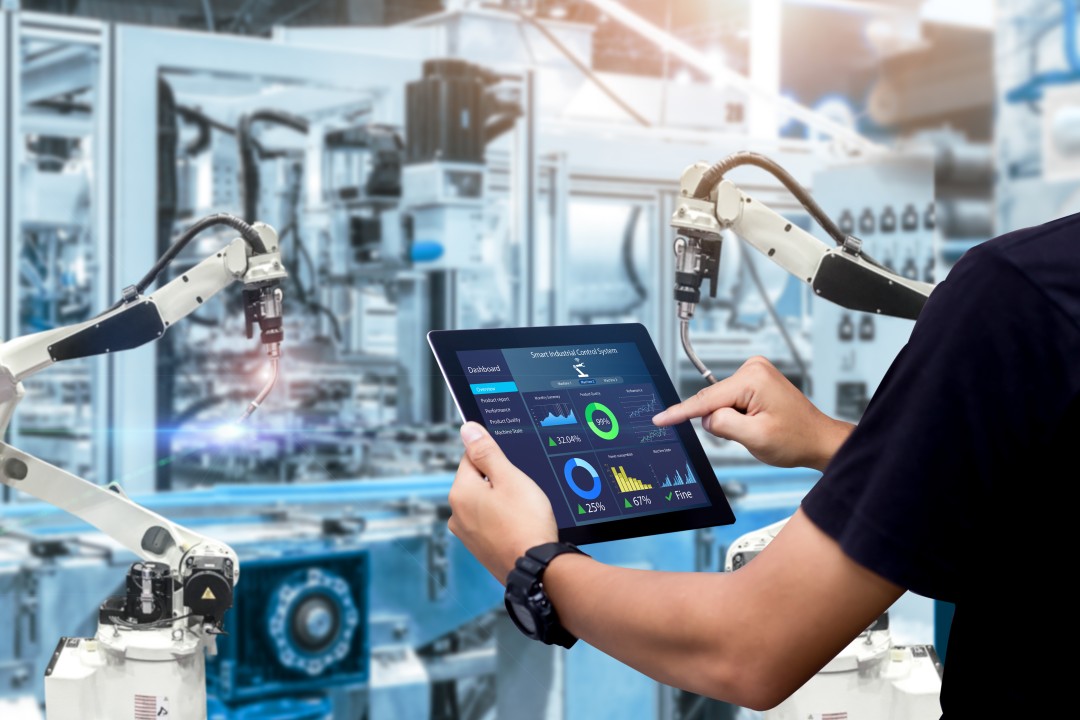
Manufacturing and AI are a powerful combination that's revolutionizing the industry. Here's a breakdown of how AI is used in manufacturing:
Predictive Maintenance, AI analyzes sensor data from machines to predict potential failures before they happen. This allows for preventive maintenance, reducing downtime and ensuring smooth operation. Process Optimization, AI analyzes production data to identify bottlenecks and inefficiencies. Manufacturers can then adjust parameters, resource allocation, and scheduling for a more optimized workflow. Quality Control, AI-powered vision systems inspect products for defects with high accuracy and speed, surpassing human capabilities in detecting subtle flaws.
Generative Design, AI can generate new product designs based on specific criteria, leading to faster innovation and development cycles. Additive Manufacturing (3D Printing), AI optimizes 3D printing processes, ensuring higher quality and efficiency in production. Robotics, AI advancements enhance robot capabilities, enabling them to handle complex tasks and collaborate effectively with human workers.
Smart Factories, Factories of the future will be interconnected and intelligent, with AI at the core, optimizing every aspect of production from design to delivery. Continuous Improvement, AI systems continuously learn and adapt, refining processes and improving efficiency over time.
Features Collectively Create an AI-Powered Manufactures

Predictive Maintenance
Quality Control in Unexpected Ways
Optimizes Your Manufacturing Process
Optimizes Inventory Management
AI Nails Demand Forecasting
Enhance Manufacturing Customer Service
Look Our Possible AI Solutions
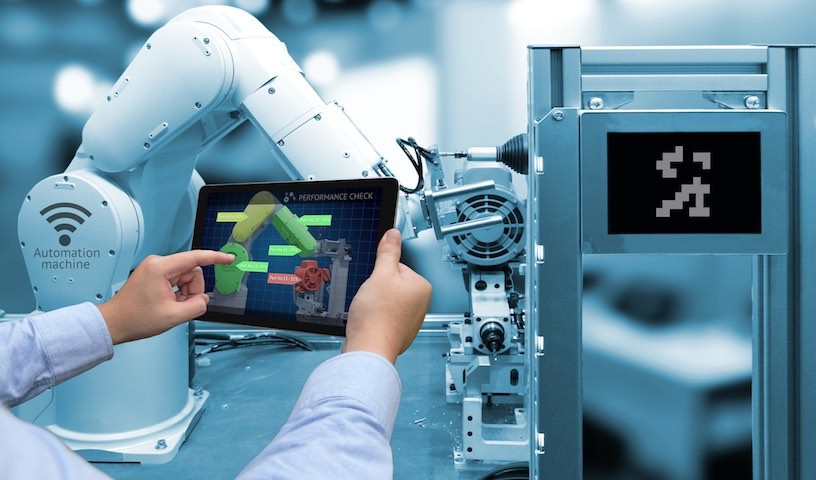
Predictive maintenance harnesses advanced data analytics and IoT machine sensors to forecast equipment wear and component fatigue, enabling proactive repairs that virtually eliminate unplanned factory downtime.

AI-powered quality control utilizes high-resolution computer vision and deep learning to inspect production lines at micro-second speeds, detecting microscopic defects and ensuring flawless manufacturing precision.
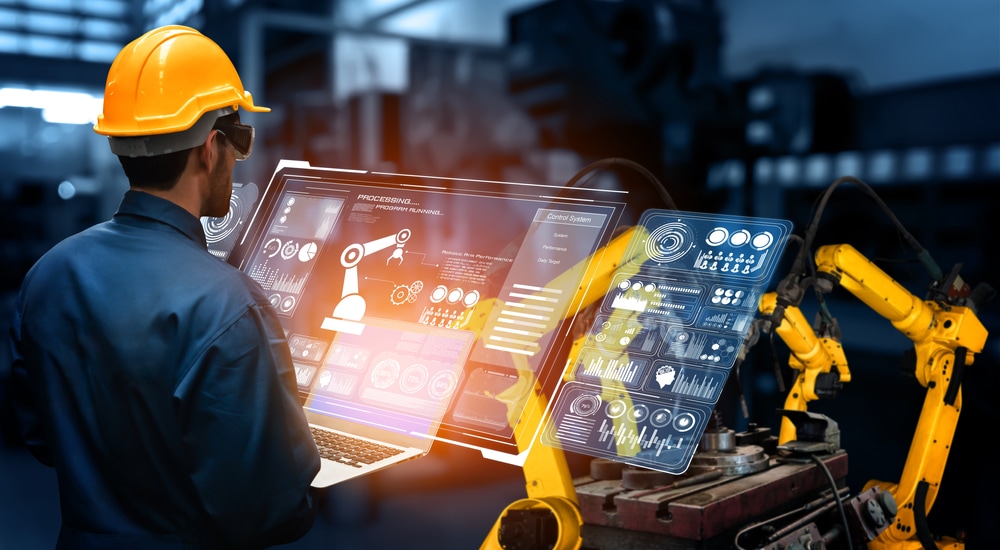
End-to-end process optimization leverages intelligent algorithms to analyze sensor telemetry, identify workflow bottlenecks, streamline production cycles, and maximize plant throughput efficiency.
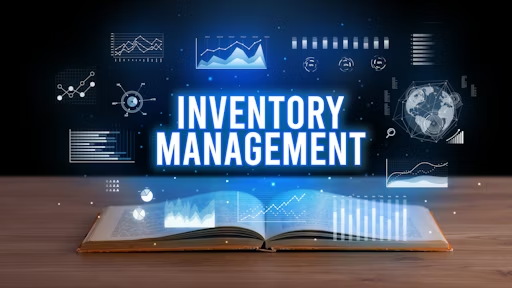
AI optimizes inventory management through predictive stock consumption modeling, automated reordering, and warehouse logistics intelligence to create a lean, cost-efficient supply chain.

Advanced demand forecasting analyzes multi-channel market indicators, macroeconomic trends, and historical cycles to project customer demand with pinpoint accuracy and reduce excess inventory.

Generative AI tools and intelligent service automation empower engineering teams to explore innovative product designs rapidly while providing clients with instant technical support and specifications.
Recent Posts Form Our Blog
Contact Us